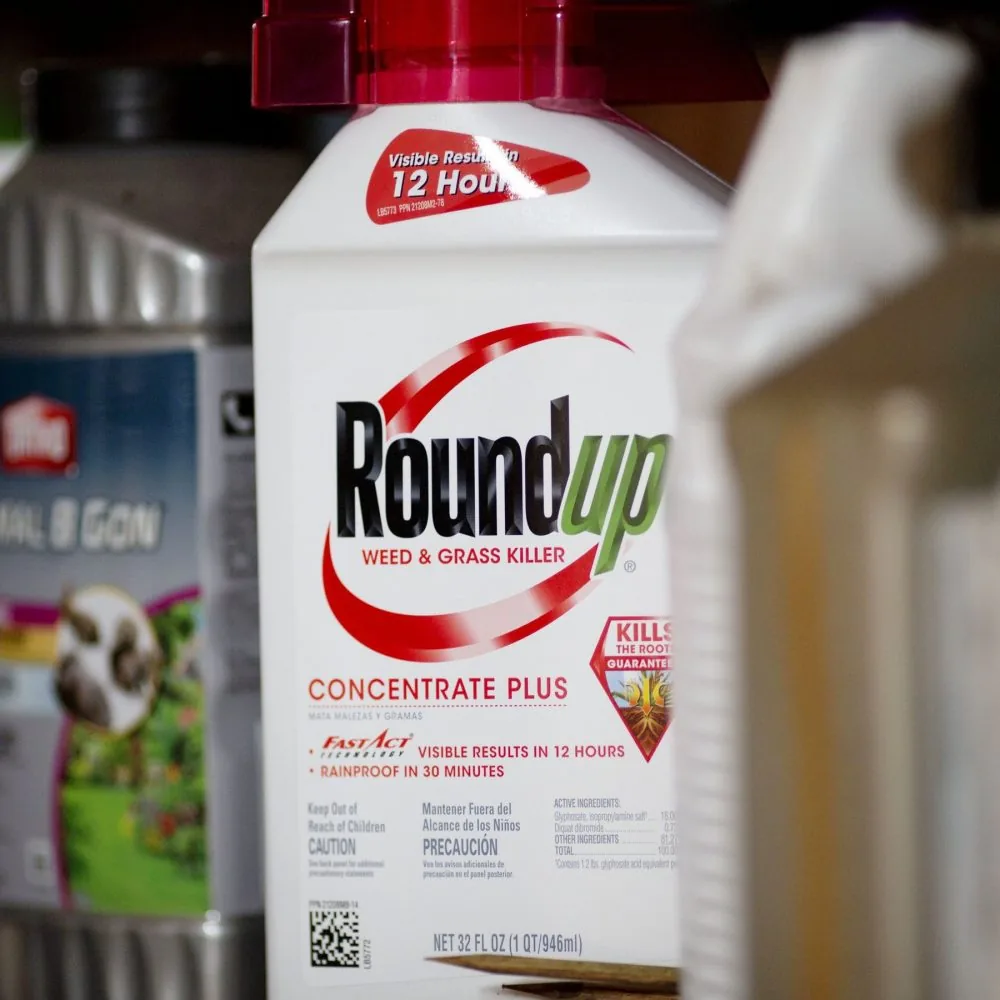
ST. LOUIS, MO — Bayer’s proposed $7.25 billion Roundup settlement is now in the hands of a Missouri judge after a final approval hearing that drew objections and highlighted how much of the litigation remains unresolved.
The deal is meant to address current and future claims that exposure to Monsanto’s Roundup weed killer caused non-Hodgkin lymphoma. Even after Bayer has already resolved more than 100,000 claims, Monsanto estimates about 61,000 Roundup lawsuits are still pending, including more than 4,000 in the federal multidistrict litigation in California.
The settlement hearing came after months of legal maneuvering, a Supreme Court loss on warning claims, and a series of disputes over opt-outs, future claimants and insurer reimbursement.
A settlement built to cover future cancer claims for years
One of the most unusual parts of the proposal is that it would not just compensate people already diagnosed with non-Hodgkin lymphoma. It also creates a path for people who may not be diagnosed until years after the deal is approved.
According to the terms described in court filings and settlement updates, the agreement could cover people exposed to Roundup before February 17, 2026, and those diagnosed as late as 16 years after final approval. Monsanto would fund the program through capped annual payments over as long as 21 years, with total payouts limited to $7.25 billion.
That structure gives Bayer certainty about its future exposure, but it also raises questions about whether people who have not yet been diagnosed can be asked to give up potential lawsuits before they know they are sick.
Judge Timothy Boyer heard objections and has not ruled yet
On September 14, Circuit Judge Timothy J. Boyer in St. Louis held the final approval hearing and heard from 135 objectors to the class deal. A ruling has not yet been issued.
By September 21, the court had still not acted, leaving the settlement in limbo despite the sense among some supporters that approval is likely. The delay has not been treated as a surprise in the litigation, where judges have been asked to sort through complicated issues involving injured claimants, future claimants and a payout structure stretching over many years.
There are also still open questions about the opt-out process. Monsanto has said the review of opt-outs is continuing, and people who previously opted out can still revoke that decision until final approval is entered.
The Supreme Court narrowed warning claims but did not end all Roundup litigation
The litigation took a major turn on June 25, 2026, when the U.S. Supreme Court ruled 7 to 2 for Bayer in a case involving a Missouri plaintiff. The justices held that Roundup users cannot bring state-law failure-to-warn claims based on the absence of a cancer warning on the label.
The Court’s ruling threw out a $1.25 million verdict and said federal pesticide law requires uniform labeling once the Environmental Protection Agency has approved the product label. Bayer has treated that ruling as a major defense victory.
But the decision did not erase every theory plaintiffs have used against Monsanto. Lawyers continue to point to negligence and design-defect claims, and they argue those claims are separate from the warning theory the Supreme Court addressed.
Humana and other objectors are fighting over lien payments and fees
The settlement has also attracted resistance from health care plans. Humana filed its own lawsuit challenging the proposed deal, saying it paid medical expenses for Medicare Advantage members who later developed non-Hodgkin lymphoma after Roundup exposure.
Humana wants reimbursement through the settlement process and says the current structure could force victims and their lawyers to handle private insurance liens in a way that limits what insurers recover. It is also seeking double damages under the Medicare Secondary Payer Act for certain medical costs, including possible obligations tied to earlier Roundup settlements.
Separately, class counsel has sought $675 million in attorney fees, or 9.3 percent of the fund. Objections have focused on that fee request, along with notice problems, burdensome opt-out requirements and whether the class definition is too broad.
Bayer still faces state court cases, verdicts and pressure to settle
Even with the proposed class deal in motion, Bayer still faces a large volume of individual cases around the country. Most pending claims are now in state courts, where juries have repeatedly returned large verdicts for plaintiffs in Roundup trials.
The company has already spent more than $10 billion on prior verdicts and settlements, and it has also quietly reached at least $3 billion in additional settlements of pending cases. Bayer’s broader litigation strategy has included efforts to limit warning claims, reduce the federal MDL and use the settlement to bring a long-running fight under control.
For plaintiffs, the central question is whether this round of settlement talks will finally close the book on the weed killer or simply become another chapter in litigation that has already lasted for years.