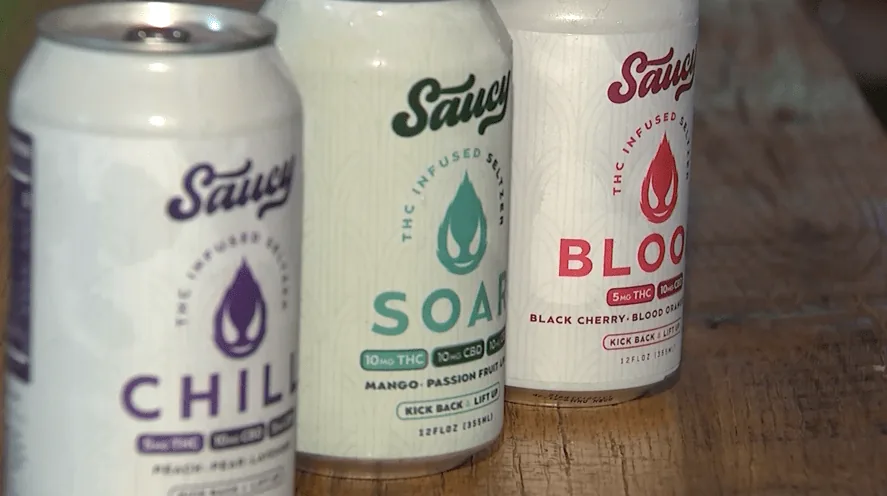
COLUMBUS, OH — Ohio’s fight over intoxicating hemp is still winding through the courts, leaving businesses on both sides of the state’s cannabis market arguing over who is following the rules. Six months after Ohio’s cannabis law took effect, enforcement of the ban on intoxicating hemp products remains blocked, and hemp sellers and marijuana dispensaries continue to clash over standards, testing and access.
The dispute is playing out in courtrooms and in public comments at a time when federal policy is also shifting. In Columbus on Monday, Wesley Bryant of 420 Craft Beverages said his business has been harmed by Senate Bill 56, which prohibits intoxicating hemp products like the ones he sells. He said the state is applying one standard to hemp and another to dispensaries, creating an uneven market for Ohio companies.
Hemp sellers say Ohio is enforcing two different standards
Bryant spoke at a Statehouse press conference organized by Ohioans for Cannabis Choice and said he views the state’s handling of hemp products as unfair. His business, he said, has been caught up in a system that tells hemp operators they cannot sell intoxicating products while allowing cannabis dispensaries to continue offering items with higher THC levels.
He argued that the state should apply the same basic rules to every regulated business. Bryant also said business owners should not have to spend money on lawyers just to understand whether they can keep operating. His criticism focused on what he sees as a mismatch between the law as written and the way Ohio regulators have allowed certain marijuana products to remain on shelves while the hemp ban is tied up in court.
For Bryant and other hemp operators, the court orders have provided only temporary relief. They are still waiting to see whether the state’s restrictions will ultimately be enforced or changed through future legal or legislative action.
Cannabis regulators defend the 90 percent THC approach
State regulators say the dispensary side is not being given special treatment. Jamie Crawford of the Ohio Division of Cannabis Control said the 2023 ballot initiative that legalized adult-use marijuana set potency at 90 percent, and cannabis processors were already making those products before the new rules fully settled in.
According to Crawford, the division allowed licensees to keep selling those products while the rulemaking process continued because the products had already gone through review and testing requirements for new product lines. That explanation is central to the state’s defense against claims of a double standard.
The Division of Cannabis Control has said the October change will formally raise the THC limit to 90 percent. Until then, dispensaries have already been permitted to sell products at that level while the state finishes the regulatory process.
Dispensary advocates argue hemp is outside Ohio’s safety system
On the other side of the dispute, the Ohio Cannabis Coalition says intoxicating hemp is being sold outside the tightly controlled marijuana system. David Bowling, the coalition’s executive director, said legal marijuana businesses operate under potency limits, testing requirements, product standards and oversight from the Division of Cannabis Control.
Bowling said intoxicating hemp does not face the same controls. In a statement, he argued that those products are sold without testing, licensing, taxation, age restrictions or enforcement tools that would protect consumers. That is why coalition leaders say the issue is not a double standard against hemp, but a difference between a regulated marijuana industry and a separate hemp market that they say is less protected.
The coalition has long argued that intoxicating hemp poses risks because it is not required to move through the same supply chain as legal marijuana. That message remains a major part of the public debate around the issue in Ohio.
Temporary court orders are letting hemp businesses keep operating
For now, hemp businesses like Bryant’s are continuing to operate under temporary court orders. Those orders have prevented the state from enforcing the hemp ban while the legal challenge continues, allowing companies to stay open even as the broader dispute remains unresolved.
Bryant said he sees signs that Washington may eventually help reshape the market. Congress banned intoxicating hemp nationwide last year, but recently delayed implementation of that ban by one month. He described that delay as evidence that federal lawmakers are still looking for a long-term answer and may be reconsidering how hemp products should be treated.
He said the federal government appears to be taking a different approach after recognizing the ban could devastate businesses across the country. For hemp operators, that delay has become a possible opening for a new regulatory framework.
Congressional delay fuels talk of a future fix but not agreement
Bryant said legislative action later this year is possible, though not certain. He suggested the shifting federal response could lead to a solution that keeps hemp businesses alive while setting clearer rules for the products they sell.
OCANN’s Peter Nischt disagrees. The coalition’s policy committee chair said the hemp industry appears to be asking Congress to legalize marijuana under another name, something he does not think lawmakers want to do. He said Ohio already has one of the strictest marijuana programs in the country and believes hemp sellers are trying to avoid that system.
Nischt said that, at best, intoxicating hemp is simply unregulated marijuana. In his view, any business that wants to sell marijuana in Ohio should use the program already in place and follow the state’s existing rules rather than seek a separate path outside the regulated market.